
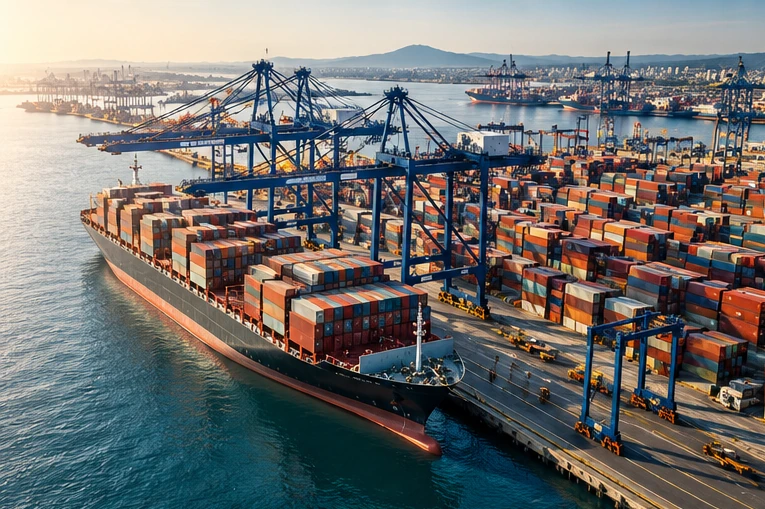
Singapore is both a major transshipment point and a small but demanding final-delivery market. Cargo changing vessels without being imported has different documentation and commercial responsibilities from cargo entering a Singapore warehouse.
Seaports and air cargo gateways
Most local final deliveries are short geographically, but a specific terminal, industrial estate and receiving window still matter. A container transhipping to another country requires the next ocean service and transfer cut-off rather than a local truck booking.
Selected sea gateways used for initial planning: Singapore (SGSIN). These codes are location references, not proof of a particular vessel call or a terminal booking. Airports worth checking for a relevant cargo schedule include SIN (IATA). Confirm live service, terminal, restrictions and airport cargo facilities before booking.
Where the cargo actually needs to go
Electronics, pharmaceuticals and regional distribution cargo may demand careful handling and verified regulatory status. The difference between general cargo, controlled goods and strategic goods has to be understood before an importer requests release.
Inland-delivery detail that belongs on the booking instruction: Record whether movement is import, export or transshipment, declaring-agent details, controlled-goods checks and exact Singapore delivery location if applicable. A port or airport name alone is not an adequate delivery address; include the consignee's receiving rules in the first quote request.
Choosing sea, air, road or intermodal
Sea-to-sea transshipment is common in international networks; ocean import, air cargo through Changi and cross-border land transport to Malaysia are separate products. No service should be advertised as available before a provider confirms it.
A missing TradeNet permit or an incorrect assumption about transit versus import can delay clearance. Confirm whether the goods will enter domestic circulation or remain under an onward-shipment procedure.
Customs responsibility and documents
Singapore Customs requires customs permits through TradeNet for commercial imports, with UEN and customs-account arrangements. Controlled goods may additionally involve a Competent Authority; the permit path changes by commodity and purpose.
Agree in writing who is the importer/exporter of record, who prepares declarations, and who pays duties, handling and destination fees. Commodity classification, origin and any required licence must be checked against current official instructions; this guide does not provide a customs decision.
A practical route-planning example
A pallet arriving at PSA for onward ocean carriage should be assessed for transshipment timing and next-vessel cut-off. A similar pallet for a Jurong consignee needs a local import permit and final-truck appointment; they are not the same movement.
Make the rate comparison consistent: same packed goods, same origin and delivery point, same Incoterms® rule, same expected delivery condition and a clear list of excluded charges. Published transit times and prices have intentionally not been guessed here.
Official references and editorial checks
Reference details were reviewed for this editorial update on 25 October 2026. Authority rules, terminal services, code assignments and import restrictions can change. Check the official source and your appointed broker or carrier before a shipment is tendered.
Related tools and next reading
For a Singapore shipment, use the appropriate mode guide and calculator to prepare dimensions before approaching a provider. These links help with planning; they do not represent live capacity or an approved booking.